Anyone who travels a roadway in West Virginia should understand WV driving laws. These laws are designed to keep traffic moving efficiently and safely while protecting drivers, passengers, and pedestrians. In this post, we’ll look at some of the most important traffic laws in West Virginia that every driver should know.
Understanding Traffic Laws in West Virginia
Traffic laws provide consistency on the road. They tell us how to behave and what to expect from other drivers. Unfortunately, not everyone follows them. Some people may be unaware of a rule, misunderstand it, or choose to ignore it.
Breaking a traffic law in West Virginia can have serious consequences—fines, court fees, increased insurance rates, license suspensions, and even jail time. Following traffic laws in West Virginia saves money, prevents accidents, and saves lives.
Seat Belt and Child Restraint Laws
Wearing a seat belt is one of the simplest ways to prevent injury in a crash. West Virginia law requires:
- Front seat passengers and drivers must wear seat belts at all times
- Back seat passengers ages 8 to 17 must also be buckled up
- Children under 8 must be secured in a car seat or booster seat that meets federal safety standards
Failing to wear a seat belt is a primary offense in West Virginia, which means law enforcement can pull you over solely for that violation.
Can You Turn Right on Red in West Virginia?
Yes, in most cases you can turn right on red in West Virginia, unless signs are posted prohibiting it. Before turning, you must:
- Come to a complete stop
- Yield to oncoming traffic and pedestrians
- Only proceed when the way is clear
This rule is consistent with many other states, but always look for “No Turn on Red” signs at intersections.
WV Traffic Stop Rules and Signals
Understanding West Virginia’s motor vehicle safety laws is key when interacting with traffic lights and law enforcement:
- Traffic lights follow the standard red, yellow, and green signals. A flashing red light means stop, while a flashing yellow means proceed with caution
- Dark or malfunctioning signals should be treated as a four-way stop
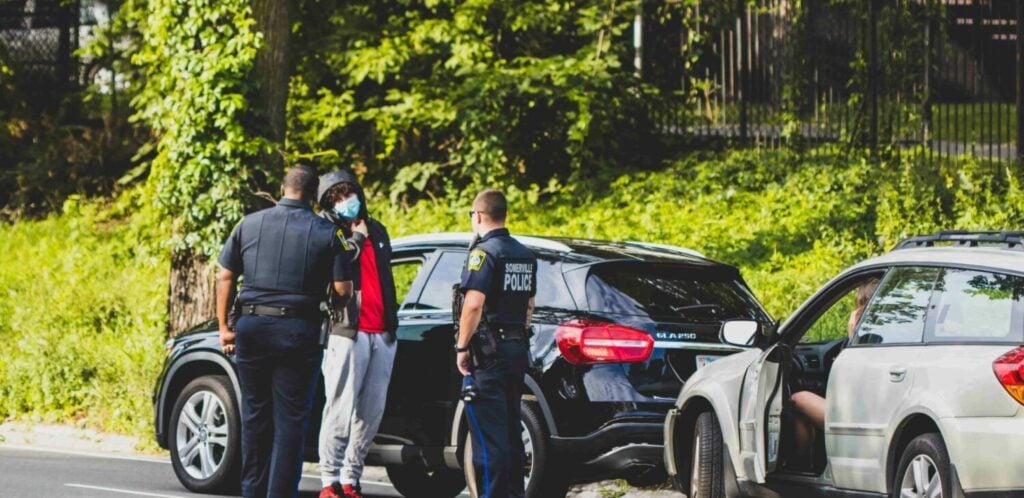
- Traffic stops require compliance. Drivers must pull over safely, remain calm, and provide requested documents such as license, registration, and insurance
Failure to follow WV traffic stop rules can escalate a situation and may lead to additional citations.
Speed Limits in West Virginia
Speed limits in the Mountain State vary depending on where you drive:
- Residential areas: 25 mph
- Open country roads: 55 mph
- Interstate highways: 65–70 mph, depending on the location
- School zones: 15 mph (when children are present)
Fines for speeding are higher in school zones and work zones. Excessive speeding can also add points to your license and increase insurance premiums.
Rules for Driving in West Virginia
Some of the most important WV driving laws and general rules include:
- Always yield to pedestrians at crosswalks
- Treat bicycles and motorcycles as full vehicles with equal rights to the road
- Move over or slow down for stopped emergency and service vehicles
- Headlights must be used from sunset to sunrise and during inclement weather
Driving Rules for Seniors
West Virginia does not impose special license restrictions strictly based on age. However, all drivers must renew their license every 8 years (or every 2 years for those 65 and older who choose a shorter cycle). Vision screenings are required at renewal.
Seniors who struggle with reaction time or vision may face additional restrictions such as driving only during daylight hours or requiring corrective lenses.
WV Motor Vehicle Inspection
Every vehicle registered in West Virginia must undergo a safety inspection once every 12 months. Inspections check brakes, lights, tires, exhaust, steering, and other safety features. Stickers are issued to verify compliance, and failing to keep a valid inspection sticker can lead to fines.
West Virginia DUI and Impaired Driving Laws
It is illegal to operate a motor vehicle in West Virginia with a blood alcohol concentration (BAC) of:
- .08% or higher for drivers 21 and over
- .02% or higher for drivers under 21
- .04% or higher for commercial drivers
Penalties for a first-time DUI can include fines, license suspension, and mandatory participation in the WV Safety and Treatment Program.
West Virginia Traffic Cameras
Traffic cameras are increasingly used across West Virginia to monitor speed, red-light violations, and traffic flow. While some cameras issue citations, others are used primarily for traffic monitoring and safety analysis. Checking traffic cameras before heading out can help drivers avoid congestion and stay aware of roadway conditions.
Penalties for Breaking Traffic Laws in West Virginia
Penalties vary depending on the type of violation but may include:
- Fines and court fees
- License points (12 points within two years can result in license suspension)
- Increased insurance premiums
- Community service or driving courses
- Jail time for serious or repeated offenses
FAQ: WV Driving Laws
Can you turn right on red in West Virginia?
Yes, unless a posted sign prohibits it. Always stop fully and yield before turning.
What are the WV traffic stop rules?
Drivers must safely pull over, provide license and registration, and comply with officer instructions.
What are West Virginia’s motor vehicle safety laws?
They include seat belt use, child safety seats, speed limits, DUI rules, and annual vehicle inspections.
Do seniors have different driving rules in West Virginia?
Seniors must meet the same driving standards but may face restrictions at license renewal if vision or other impairments affect safe driving.
How often is a WV motor vehicle inspection required?
Every registered vehicle must pass a safety inspection once per year.
Are there traffic cameras in West Virginia?
Yes, traffic cameras are used for monitoring and enforcement in some areas.
Learn More About Traffic Laws in West Virginia
Here are some trusted resources to help you understand traffic laws in West Virginia:
- West Virginia Division of Motor Vehicles – Driver Services
- West Virginia Code Chapter 17C – Traffic Regulations
- National Highway Traffic Safety Administration – West Virginia Traffic Safety Facts
- WV Department of Transportation
Check out related blogs related to West Virginia Driving Laws:
Following WV Driving Laws
Safe driving in West Virginia starts with knowing and following the rules. If you receive a traffic ticket or face charges for violating West Virginia’s traffic laws, it’s wise to consult with an experienced attorney who understands state traffic laws and procedures. Legal guidance can help you protect your rights, minimize penalties, and make informed decisions about how to proceed.
Need Help After a Traffic Accident in West Virginia?
Understanding WV driving laws can help you avoid accidents and penalties, but even the most careful drivers sometimes find themselves in difficult situations. If you’ve been involved in a traffic accident in West Virginia, you may be entitled to compensation for your injuries, medical bills, and other losses — even if you’ve been found at fault.
The attorneys at Spivak & Sakellariou know the ins and outs of West Virginia traffic laws and how to fight for the best possible outcome in your case. Don’t try to navigate the legal system alone. Call us today for a free consultation and learn how we can help protect your rights and pursue the compensation you deserve.
Contact Spivak & Sakellariou today for your free consultation.